| S.No | Programme Details |
|---|---|
| 1 | PhD / DPhil JNTUK, Kakinada |
| 2 | M.Tech (Computer and Communication) Department of ECE, UCEK JNTUK, Kakinada |
| 3 | M.Tech (CAD CAM) Department of ME, UCEK JNTUK, Kakinada |
| 4 | M.Tech (Machine Design) Department of ME, UCEK JNTUK, Kakinada |
| 5 | M.Tech (Petroleum Engineering) Department of PE & PCE, UCEK JNTUK, Kakinada |
| 6 | M.Tech (Remote Sensing) Department of Spatial Information Technology, IST JNTUK, Kakinada |
| 7 | M.Tech (High Voltage Engineering) Department of EEE, UCEK JNTUK, Kakinada |
| 8 | M.Tech (Biotechnology) Department of Bio–technology, IST JNTUK, Kakinada |
| 9 | M.Tech (Nano Technology) Department of Nano Technology, IST JNTUK, Kakinada |
| 10 | M.Tech (Computer Science and Engineering) Department of CSE, UCEK JNTUK, Kakinada |
| 11 | M.Tech (Food Processing Technology) Department of Food Technology, IST JNTUK, Kakinada |
| 12 | M.Tech (Avionics) Department of Avionics, IST JNTUK, Kakinada |
| 13 | MBA (General Management) School of Management Studies JNTUK, Kakinada |
| 14 | M.Tech (Advanced Electrical Power Systems) Department of EEE, UCEK JNTUK, Kakinada |
| 15 | M.Tech (Soil Mechanics and Foundation Engineering) Department of CE, UCEK JNTUK, Kakinada |
| 16 | M.Pharm (Pharmacology) Department of Pharmaceutical Sciences and Technologies, UCEK JNTUK, Kakinada |
| 17 | M.Pharm (Pharmaceutical Analysis) Department of Pharmaceutical Sciences and Technologies, UCEK JNTUK, Kakinada |
| 18 | M.Pharm (Pharmaceutics) Department of Pharmaceutical Sciences and Technologies, UCEK JNTUK, Kakinada |
| 19 | M.Tech (Power Electronics and Drives) Department of EEE, UCEK JNTUK, Kakinada |
| 20 | M.Tech (Cyber Security) Department of CSE, UCEK JNTUK, Kakinada |
| 21 | M.Tech (Structural Engineering) Department of CE, UCEK JNTUK, Kakinada |
| 22 | M.Tech (Information Technology) Department of CSE, UCEK JNTUK, Kakinada |
| 23 | M.Tech (Instrumentation and Control Engineering) Department of ECE, UCEK JNTUK, Kakinada |
| 24 | B.Tech (Petrochem Engineering) Department of PE & PCE, UCEK JNTUK, Kakinada |
| 25 | B.Tech (Chemical Engineering) Department of PE & PCE, UCEK JNTUK, Kakinada |
| 26 | B.Pharm Department of Pharmaceutical Sciences and Technologies, UCEK JNTUK, Kakinada |
| 27 | B.Tech (Electrical and Electronics Engineering) Department of EEE, UCEK JNTUK, Kakinada |
| 28 | B.Tech (Electronics and Communication Engineering) Department of ECE, UCEK JNTUK, Kakinada |
| 29 | B.Tech (Computer Science and Engineering) Department of CSE, UCEK JNTUK, Kakinada |
| 30 | B.Tech (Mechanical Engineering) Department of ME, UCEK JNTUK, Kakinada |
| 31 | B.Tech (Civil Engineering) Department of CE, UCEK JNTUK, Kakinada |
Under Graduate Programme
Admission to regular B.Tech Programmes are made based on the rank secured in AP EAPCET (Engineering, Agriculture and Pharmacy Common Entrance Test) conducted by Andhra Pradesh State Council of Higher Education (APSCHE), Andhra Pradesh.
Post Graduate Programme
Admission to regular M.Tech Programme is based on GATE or PGECET ranking conducted by Andhra Pradesh State Council of Higher Education (APSCHE), Andhra Pradesh.
Admission to regular M.C.A Programme is based on AP-ICET ranking conducted by Andhra Pradesh State Council of Higher Education (APSCHE), Andhra Pradesh.
Ph.D
Admission into PhD & M.Phil programmes for both full time and part-time based on APRCET (AP Research Common Entrance Test)
Eligibility criteria for APRCET PhD & M.Phil Admissions:
The eligibility criteria for admission to APRCET (admission into M.Phil./Ph.D. programme) is the candidate should have a Master’s degree or a professional degree declared equivalent to the Master’s degree by the corresponding statutory regulatory body, with at least 55 per cent of marks in aggregate or its equivalent grade ‘B’ in the UGC 7-point scale. Those who are waiting for the result of PG Degree can also apply for APRCET. But they have to full fill the required criteria at the time of interview.
| S.No | Attachment | Download |
|---|---|---|
| 1 | I Year AC Revised M. Pharmacy 2026-27 dt. 21.10.2026 |
| S.No | Attachment | Download |
|---|---|---|
| 1 | I Year AC Revised M.Tech 2026-27 dt. 21.10.2026 |
| S.No | Attachment | Download |
|---|---|---|
| 1 | I Year AC Revised Pharm.D (PB) 2026-27 |
| S.No | Attachment | Download |
|---|---|---|
| 1 | I Year AC Revised M. Pharmacy 2026-27 |
| S.No | Attachment | Download |
|---|---|---|
| 1 | I Year AC Revised M.Tech 2026-27 |
| S.No | Attachment | Download |
|---|---|---|
| 1 | II Year AC Pharm.D (PB) 2026-27 Revised |
| S.No | Attachment | Download |
|---|---|---|
| 1 | Year AC Pharm.D (PB) 2026-27 |
| S.No | Attachment | Download |
|---|---|---|
| 1 | I Year AC IMBA 2026-27 |
| S.No | Attachment | Download |
|---|---|---|
| 1 | I Year AC M.Tech 2026-27 |
| S.No | Attachment | Download |
|---|---|---|
| 1 | I Year AC M. Pharmacy 2026-27 |
| S.No | Attachment | Download |
|---|---|---|
| 1 | I Year AC B. Pharmacy 2026-27 Revised |
| S.No | Attachment | Download |
|---|---|---|
| 1 | I Year AC Pharm.D 2026-27 |
| S.No | Attachment | Download |
|---|---|---|
| 1 | I Year Academic Calender - MBA 2026-27 |
| S.No | Attachment | Download |
|---|---|---|
| 1 | I Year Academic Calendar - MCA 2026-27 |
| S.No | Attachment | Download |
|---|---|---|
| 1 | Academic Calendar – III Year BCA & BBA (2026–27) |
| S.No | Attachment | Download |
|---|---|---|
| 1 | I Year B.Tech Academic Calendar 2026–27 |
| S.No | Attachment | Download |
|---|---|---|
| 1 | Revised II Year MCA Academic Calendar for the A.Y. - 2025-26.Y | |
| 2 | Revised II Year MBA Academic Calendar 2025-26 |
| S.No | Attachment | Download |
|---|---|---|
| 1 | IV Year AC B.Tech 2026-27 | |
| 2 | V Year AC IMBA 2026-27 | |
| 3 | IV Year AC B.Pharmacy 2026-27 | |
| 4 | IV Year AC IMBA 2026-27 | |
| 5 | III Year AC B.Pharmacy 2026-27 | |
| 6 | III Year AC B.Tech 2026-27 | |
| 7 | III Year AC IMBA 2026-27 | |
| 8 | II Year AC MCA 2026-27 | |
| 9 | II Year AC MBA 2026-27 | |
| 10 | II Year AC IMBA 2026-27 | |
| 11 | II Year AC M.Tech 2026-27 | |
| 12 | II Year AC M.Pharmacy 2026-27 | |
| 13 | II Year AC B.Tech 2026-27 | |
| 14 | II Year AC BBA & BCA 2026-27 | |
| 15 | VI Year AC Pharm.D 2026-27 | |
| 16 | III Year AC Pharm.D 2026-27 | |
| 17 | II Year AC Pharm.D 2026-27 | |
| 18 | IV & V Year AC Pharm.D 2026-27 | |
| 19 | II Year AC B.Pharmacy 2026-27 |
| S.No | Attachment | Download |
|---|---|---|
| 1 | II B.Pharmacy AC 2025-26 | |
| 2 | I Year Revised M.Tech AC 2025-26 | |
| 3 | I Year MCA Revised AC 2025-26 | |
| 4 | I Year MBA Revised AC 2025-26 | |
| 5 | II Year Pharm.D AY 2025-26 | |
| 6 | I Year BCA & BBA AY 2025-26 | |
| 7 | II Year M.Pharmacy AC 2025-26 | |
| 8 | I Year M.Pharmacy AC 2025-26 |
| S.No | Attachment | Download |
|---|---|---|
| 1 | III Year AC B.Tech 2025-26 |
| S.No | Attachment | Download |
|---|---|---|
| 1 | IV Year AC B.Tech 2025-26 |
| S.No | Attachment | Download |
|---|---|---|
| 1 | II Year AC B.Tech 2025-26 |
| S.No | Attachment | Download |
|---|---|---|
| 1 | V Year IMBA Academic Calendar 2025-26 | |
| 2 | IV Year IMBA Academic Calendar 2025-26 |
| S.No | Attachment | Download |
|---|---|---|
| 1 | VI Pharm.D - 2025-26 | |
| 2 | IV B.Pharmacy - 2025-26 | |
| 3 | III, IV, V Pharm.D - 2025-26 |
| S.No | Attachment | Download |
|---|---|---|
| 1 | Revised A.C. I B. Tech 2024-25 |
| S.No | Attachment | Download |
|---|---|---|
| 1 | Academic Calendar Agricultural, Pharmaceutical and Food Engineering (Bi.P.C. Stream) |
| S.No | Attachment | Download |
|---|---|---|
| 1 | Academic Calendar - I Year BCA & BBA - 2024-25 |
| S.No | Attachment | Download |
|---|---|---|
| 1 | DAP - JNTUK -DAP - I Year M.Tech for the A.Y. 2024-25 |
| S.No | Attachment | Download |
|---|---|---|
| 1 | JNTUK -DAP - I Year M.Tech for the A.Y. 2024-25 |
| S.No | Attachment | Download |
|---|---|---|
| 1 | JNTUK - DAP - II Year M. Tech/M. Pharmacy Academic Calendars for the Academic Year 2023-24 - Reg. |
| S.No | Attachment | Download |
|---|---|---|
| 1 | DAP - Revised -Academic Calendar of III Year, Pharm.D. 2024-25. |
| S.No | Attachment | Download |
|---|---|---|
| 1 | DAP Office - Academic Calendar - MCA & MBA, I Year- 2024-25 - Reg |
| S.No | Attachment | Download |
|---|---|---|
| 1 | DAP Office - Academic Calendar - MCA & MBA, I Year- 2024-25 - Reg |
| S.No | Attachment | Download |
|---|---|---|
| 1 | Academic Calendars of II Year, M.Tech, MBA, MCA, IMBA & M.Pharmacy 2024-25. |
| S.No | Attachment | Download |
|---|---|---|
| 1 | Academic Calendars - B.Tech II, III & IV Years |
| S.No | Attachment | Download |
|---|---|---|
| 1 | DAP - JNTUK – DAP – Academic Calendars of III, IV and V IMBA for AY 2024-25 |
| S.No | Attachment | Download |
|---|---|---|
| 1 | JNTUK -DAP – Revised Academic Calendar of II Year B. Pharmacy for the A.Y. 2023-24 |
| S.No | Attachment | Download |
|---|---|---|
| 1 | DAP - JNTUK – DAP – Academic Calendars of II, III, IV and V Pharm D for AY 2024-25 |
| S.No | Attachment | Download |
|---|---|---|
| 1 | DAP - JNTUK – DAP – Academic Calendars of V B.Arch for AY 2024-25 |
| S.No | Attachment | Download |
|---|---|---|
| 1 | JNTUK -DAP – Revised Academic Calendar of II Year B. Pharmacy for the A.Y. 2023-24 |
| S.No | Attachment | Download |
|---|---|---|
| 1 | JNTUK – DAP – Academic Calendars of V B.Arch for AY 2024-25 |
| S.No | Attachment | Download |
|---|---|---|
| 1 | JNTUK – DAP – Academic Calendars of III, IV and V IMBA for AY 2024-25 |
| S.No | Attachment | Download |
|---|---|---|
| 1 | JNTUK – DAP – Academic Calendars of II, III, IV and V Pharm D for AY 2024-25 |
| S.No | Attachment | Download |
|---|---|---|
| 1 | JNTUK – DAP – Academic Calendars of II, III and IV B.Pharmacy for A.Y. 2024-25 |
| S.No | Attachment | Download |
|---|---|---|
| 1 | DAP - JNTUK – DAP -Revised Academic Calendar of I Year B. Pharmacy for the A.Y. 2023-24 |
| S.No | Attachment | Download |
|---|---|---|
| 1 | DAP - JNTUK – DAP – Revised Academic Calendar of I Year B. Tech for the A.Y. 2023-24 |
| S.No | Attachment | Download |
|---|---|---|
| 1 | JNTUK – DAP – Revised Academic Calendar of I Year B. Tech for the A.Y. 2023-24 |
| S.No | Attachment | Download |
|---|---|---|
| 1 | JNTUK – DAP -Revised Academic Calendar of I Year B. Pharmacy for the A.Y. 2023-24 |
| S.No | Attachment | Download |
|---|---|---|
| 1 | DAP - JNTUK – DAP – I B. Pharmacy Academic Calendar – 2023-24 |
| S.No | Attachment | Download |
|---|---|---|
| 1 | JNTUK – DAP – I B. Pharmacy Academic Calendar – 2023-24 |
| S.No | Attachment | Download |
|---|---|---|
| 1 | JNTUK - DAP - Academic Calendars of I MBA, MCA and I M. Tech/M. Pharmacy for the academic Year 2023-24- Reg | |
| 2 | JNTUK - DAP - Academic Calendars of I MBA, MCA and I M. Tech/M. Pharmacy for the academic Year 2023-24- Reg |
| S.No | Attachment | Download |
|---|---|---|
| 1 | JNTUK - DAP - revised B.Tech academic calendars for the academic year 2023-24 -Reg. |
| S.No | Attachment | Download |
|---|---|---|
| 1 | JNTUK - DAP - IV B. Tech Revised Academic Calendar for the Academic Year 2023-24 - Reg. |
| S.No | Attachment | Download |
|---|---|---|
| 1 | JNTUK - DAP - Academic Calendar of MBA/MCA I Year AY 2022-23 (Revised) - Reg |
| S.No | Attachment | Download |
|---|---|---|
| 1 | JNTUK - DAP - Academic Calendar of MCA II Year - 2018 Batch |
| S.No | Date | Academic Calendar | Department | Attachments |
|---|---|---|---|---|
| 1 | Oct 24, 2026 | I Year AC Revised M. Pharmacy 2026-27 dt. 21.10.2026 | Director - Academics | |
| 2 | Oct 24, 2026 | I Year AC Revised M.Tech 2026-27 dt. 21.10.2026 | Director - Academics | |
| 3 | Oct 13, 2026 | I Year AC Revised Pharm.D (PB) 2026-27 | Director - Academics | |
| 4 | Oct 13, 2026 | I Year AC Revised M. Pharmacy 2026-27 | Director - Academics | |
| 5 | Oct 13, 2026 | I Year AC Revised M.Tech 2026-27 | Director - Academics | |
| 6 | Oct 5, 2026 | II Year AC Pharm.D (PB) 2026-27 Revised | Director - Academics | |
| 7 | Oct 5, 2026 | I Year AC Pharm.D (PB) 2026-27 | Director - Academics | |
| 8 | Sep 30, 2026 | I Year AC IMBA 2026-27 | Director - Academics | |
| 9 | Sep 30, 2026 | I Year AC M.Tech 2026-27 | Director - Academics | |
| 10 | Sep 30, 2026 | I Year AC M. Pharmacy 2026-27 | Director - Academics | |
| 11 | Sep 18, 2026 | I Year AC B. Pharmacy 2026-27 Revised | Director - Academics | |
| 12 | Sep 15, 2026 | I Year AC Pharm.D 2026-27 | Director - Academics | |
| 13 | Sep 8, 2026 | I Year Academic Calender - MBA 2026-27 | Director - Academics | |
| 14 | Sep 8, 2026 | I Year Academic Calendar - MCA 2026-27 | Director - Academics | |
| 15 | Aug 10, 2026 | Academic Calendar – III Year BCA & BBA (2026–27) | Director - Academics | |
| 16 | Aug 10, 2026 | I Year B.Tech Academic Calendar 2026–27 | Director - Academics | |
| 17 | Jul 15, 2026 | D-Academic, Office - Revised - Academic Calendars - II Year MBA and MCA - Reg. | Director - Academics | |
| 18 | Jun 10, 2026 | Academic Calendar 2026-27 - B.Tech , B.Pharmacy, M.Tech, M.Pharmacy, MBA, MCA, Pharm.D, BBA & BCA and IMBA - Reg | Director - Academics | |
| 19 | Sep 25, 2025 | D- Academics - Academic Calendars - Reg | Director - Academics | |
| 20 | Jun 24, 2025 | III Year AC B.Tech 2025-26 | Director - Academics | |
| 21 | Jun 24, 2025 | IV Year AC B.Tech 2025-26 | Director - Academics | |
| 22 | Jun 24, 2025 | II Year AC B.Tech 2025-26 | Director - Academics | |
| 23 | Jun 12, 2025 | DAP Office - Academic Calendars - IV & V Year IMBA - Reg | Director - Academics | |
| 24 | Jun 6, 2025 | DAP Office - Academic Calendars - Reg | Director - Academics | |
| 25 | Dec 31, 2024 | DAP - Academic Calendars - Reg | Director - Academics | |
| 26 | Dec 31, 2024 | DAP - Academic Calendars - Agricultural, Pharmaceutical and Food Engineering (Bi.P.C. Streams) - Reg | Director - Academics | |
| 27 | Dec 3, 2024 | I Year BCA & BBA Academic Calendar- 2024-25 | Director - Academics | |
| 28 | Sep 12, 2024 | DAP - JNTUK -DAP - I Year M.Tech for the A.Y. 2024-25 | Director - Academics | |
| 29 | Sep 12, 2024 | JNTUK -DAP - I Year M.Tech for the A.Y. 2024-25 | Director - Academics | |
| 30 | Sep 7, 2024 | JNTUK - DAP - II Year M. Tech/M. Pharmacy Academic Calendars for the Academic Year 2023-24 - Reg. | Director - Academics | |
| 31 | Aug 21, 2024 | DAP - Revised -Academic Calendar of III Year, Pharm.D. 2024-25. | Director - Academics | |
| 32 | Aug 3, 2024 | DAP Office - Academic Calendar - MCA & MBA, I Year- 2024-25 - Reg | Director - Academics | |
| 33 | Aug 3, 2024 | DAP Office - Academic Calendar - MCA & MBA, I Year- 2024-25 - Reg | Director - Academics | |
| 34 | Jul 14, 2024 | Academic Calendars of II Year, M.Tech, MBA, MCA, IMBA & M.Pharmacy 2024-25. | Director - Academics | |
| 35 | Jun 12, 2024 | Academic Calendars - B.Tech II, III & IV Years | Director - Academics | |
| 36 | May 7, 2024 | DAP - JNTUK – DAP – Academic Calendars of III, IV and V IMBA for AY 2024-25 | Director - Academics | |
| 37 | May 7, 2024 | JNTUK -DAP – Revised Academic Calendar of II Year B. Pharmacy for the A.Y. 2023-24 | Director - Academics | |
| 38 | May 7, 2024 | DAP - JNTUK – DAP – Academic Calendars of II, III, IV and V Pharm D for AY 2024-25 | Director - Academics | |
| 39 | May 7, 2024 | DAP - JNTUK – DAP – Academic Calendars of V B.Arch for AY 2024-25 | Director - Academics | |
| 40 | May 6, 2024 | JNTUK -DAP – Revised Academic Calendar of II Year B. Pharmacy for the A.Y. 2023-24 | Director - Academics | |
| 41 | May 6, 2024 | JNTUK – DAP – Academic Calendars of V B.Arch for AY 2024-25 | Director - Academics | |
| 42 | May 6, 2024 | JNTUK – DAP – Academic Calendars of III, IV and V IMBA for AY 2024-25 | Director - Academics | |
| 43 | May 6, 2024 | JNTUK – DAP – Academic Calendars of II, III, IV and V Pharm D for AY 2024-25 | Director - Academics | |
| 44 | May 6, 2024 | JNTUK – DAP – Academic Calendars of II, III and IV B.Pharmacy for A.Y. 2024-25 | Director - Academics | |
| 45 | May 3, 2024 | DAP - JNTUK – DAP -Revised Academic Calendar of I Year B. Pharmacy for the A.Y. 2023-24 | Director - Academics | |
| 46 | May 3, 2024 | DAP - JNTUK – DAP – Revised Academic Calendar of I Year B. Tech for the A.Y. 2023-24 | Director - Academics | |
| 47 | May 2, 2024 | JNTUK – DAP – Revised Academic Calendar of I Year B. Tech for the A.Y. 2023-24 | Director - Academics | |
| 48 | May 2, 2024 | JNTUK – DAP -Revised Academic Calendar of I Year B. Pharmacy for the A.Y. 2023-24 | Director - Academics | |
| 49 | Mar 21, 2024 | DAP - JNTUK – DAP – I B. Pharmacy Academic Calendar – 2023-24 | Director - Academics | |
| 50 | Mar 20, 2024 | JNTUK – DAP – I B. Pharmacy Academic Calendar – 2023-24 | Director - Academics | |
| 51 | Sep 27, 2023 | JNTUK - DAP - Academic Calendars of I MBA, MCA and I M. Tech/M. Pharmacy for the academic Year 2023-24- Reg | Director - Academics | |
| 52 | Aug 30, 2023 | JNTUK - DAP - revised B.Tech academic calendars for the academic year 2023-24 -Reg. | Director - Academics | |
| 53 | Aug 13, 2023 | JNTUK - DAP - IV B. Tech Revised Academic Calendar for the Academic Year 2023-24 - Reg. | Director - Academics | |
| 54 | Mar 9, 2023 | JNTUK - DAP - Academic Calendar of MBA/MCA I Year AY 2022-23 (Revised) - Reg | Director - Academics | |
| 55 | Sep 19, 2019 | JNTUK - DAP - Academic Calendar of MCA II Year - 2018 Batch | Director - Academics |
| S.No | Department / Branch | Syllabus Link |
|---|---|---|
| 1 | R23 B.Tech. CSE (IoT) II, III, IV Year Course Structure & Syllabus Revised | View/Download PDF |
| 2 | R23 B.Tech. I Year Course Group B Course Structure & Syllabus | View/Download PDF |
| 3 | R23 B.Tech. I Year Course Group A Course Structure & Syllabus | View/Download PDF |
| 4 | R23 B.Tech. CSE (IoT) II, III, IV Year Course Structure & Syllabus | View/Download PDF |
| 5 | R23 B.Tech Pharmaceutical Engg II, III, IV Year Course Structure & Syllabus | View/Download PDF |
| 6 | R23 B.Tech Mining Engg II, III, IV Year Course Structure & Syllabus | View/Download PDF |
| 7 | R23 B.Tech Mechanical Engg II, III, IV Year Course Structure & Syllabus | View/Download PDF |
| 8 | R23 B.Tech EEE II, III, IV Year Course Structure & Syllabus | View/Download PDF |
| 9 | R23 B.Tech ECE II, III, IV Year Course Structure & Syllabus | View/Download PDF |
| 10 | R23 B.Tech CSE II, III, IV Year Course Structure & Syllabus | View/Download PDF |
| 11 | R23 B.Tech CSE -IoT & CyberSecurity Including BCT II,III, IV Year | View/Download PDF |
| 12 | R23 B.Tech CSE (Data Science) II, III, IV Year Course Structure & Syllabus | View/Download PDF |
| 13 | R23 B.Tech CSE (AI) II, III, IV Year Course Structure & Syllabus | View/Download PDF |
| 14 | R23 B.Tech CSE (AI&DS ) II, III, IV Year Course Structure & Syllabus | View/Download PDF |
| 15 | R23 B.Tech Civil Engg II, III, IV Year Course Structure & Syllabus | View/Download PDF |
| 16 | R23 B.Tech Automobile Engg II, III, IV Year Course Structure & Syllabus | View/Download PDF |
| 17 | R23 B.Tech AI&ML II, III, IV Year Course Structure & Syllabus | View/Download PDF |
| 18 | R23 B.Tech AI&DS II, III, IV Year Course Structure & Syllabus | View/Download PDF |
| 19 | R23 B.Tech Agricultural Engg II, III, IV Year Course Structure & Syllabus | View/Download PDF |
| 20 | R23 B.Tech -IT II, III, IV Year Course Structure & Syllabus | View/Download PDF |
| 21 | R23 B.Tech -Cyber Security II, III, IV Year Course Structure & Syllabus | View/Download PDF |
| 22 | R23 B.Tech -CSE (Cyber Security) II, III, IV Year Course Structure & Syllabus | View/Download PDF |
| 23 | R23 B.Tech -CSBS II, III, IV Year Course Structure & Syllabus | View/Download PDF |
| 24 | R23 B.Tech (CSD ) II, III, IV Year Course Structure & Syllabus | View/Download PDF |
| 25 | R23 B.Tech (CS ) II, III, IV Year Course Structure & Syllabus | View/Download PDF |
| 26 | ME - Open Electives Syllabus B.Tech R23 | View/Download PDF |
| 27 | EEE - Open Electives Syllabus B.Tech R23 | View/Download PDF |
| 28 | CSE - Open Electives Syllabus B.Tech R23 | View/Download PDF |
| 29 | Civil - Open Electives Syllabus B.Tech R23 | View/Download PDF |
| 30 | ECE - Open Electives Syllabus B.Tech R23 | View/Download PDF |
| 31 | R23 CSE (AI&ML ) II, III, IV Year Course Structure & Syllabus Revised | View/Download PDF |
| 32 | R23 B.Tech ECE II, III, IV Year Course Structure & Syllabus Revised | View/Download PDF |
| 33 | R23 B.Tech CSE (Data Science) II, III, IV Year Course Structure & Syllabus Revised | View/Download PDF |
| 34 | R23 B.Tech CSE (AI) II, III, IV Year Course Structure & Syllabus Revised | View/Download PDF |
| 35 | R23 B.Tech CSE (AI&DS ) II, III, IV Year Course Structure & Syllabus Revised | View/Download PDF |
| 36 | R23 B.Tech CSE (AI&DS ) II, III, IV Year Course Structure & Syllabus Revised | View/Download PDF |
| 37 | R23 B.Tech AI&DS II, III, IV Year Course Structure & Syllabus Revised | View/Download PDF |
| 38 | R23 B.Tech AI&DS II, III, IV Year Course Structure & Syllabus Revised | View/Download PDF |
| 39 | R23 B.Tech -IT II, III, IV Year Course Structure & Syllabus Revised | View/Download PDF |
| 40 | R23 B.Tech -Cyber Security II, III, IV Year Course Structure & Syllabus | View/Download PDF |
| 41 | R23 B.Tech (CSD ) II, III, IV Year Course Structure & Syllabus Revised | View/Download PDF |
| 42 | R23 B.Tech (CS ) II, III, IV Year Course Structure & Syllabus Revised | View/Download PDF |
| S.No | Department / Branch | Syllabus Link |
|---|---|---|
| 1 | R23 CSE (AI&ML ) II, III, IV Year Course Structure & Syllabus | View/Download PDF |
| S.No | Department / Branch | Syllabus Link |
|---|---|---|
| 1 | R24 MCA Course Structure & Syllabus | View/Download PDF |
| 2 | R24 MBA II Year Syllabus with updated Managed Health care and Insurance | View/Download PDF |
| S.No | Department / Branch | Syllabus Link |
|---|---|---|
| 1 | R25 M.Tech Computer Science Syllabus (Revised) | View/Download PDF |
| 2 | M.Tech R25 Nano Technology Syllabus (Revised) | View/Download PDF |
| 3 | R25 M.Tech Avionics CS & Syllabus (Revised) | View/Download PDF |
| 4 | M.Tech R25 ECE VLSI & ALLIED Syllabus (Revised) | View/Download PDF |
| 5 | M.Tech R25 ECE Embedded Systems Syllabus (Revised) | View/Download PDF |
| 6 | M.Tech R25 MECH Machine Design Syllabus (Revised) | View/Download PDF |
| 7 | R25 M.Tech CSE Syllabus (Revised) | View/Download PDF |
| 8 | R25 M.Tech- CSE (AI & ML) Syllabus (Revised) | View/Download PDF |
| 9 | R25 M.Tech CSE (Artificial Intelligence) Syllabus (Revised) | View/Download PDF |
JNTU Kakinada’s teaching methodology is totally Student Centered.
In a world increasingly reliant on high-technology, the training of engineering, computer scientists and IT specialists has become a critical competitiveness issue. Multinational corporations are leveraging talent in developing countries at an unprecedented rate. We believe that the Key issue in engineering education should be the quality of graduates, not just the quantity since quality factors have the biggest impact on innovation and entrepreneurship.
| Sl. No | Branch Name | AP EAPCET Code | JNTUK Branch Code |
|---|---|---|---|
| 1 | B.Tech - Civil Engineering | CIV | 01 |
| 2 | B.Tech - Electrical & Electronics Engineering | EEE | 02 |
| 3 | B.Tech - Mechanical Engineering | MEC | 03 |
| 4 | B.Tech - Electronics & Communication Engineering | ECE | 04 |
| 5 | B.Tech - Computer Science Engineering | CSE | 05 |
| 6 | B.Tech - Computer Science & Technology | CST | 06 |
| 7 | B.Tech - Computer Science & Information Technology | CIT | 07 |
| 8 | B.Tech - Chemical Engineering | CHE | 08 |
| 9 | B.Tech - Electronics & Instrumentation Engineering | EIE | 10 |
| 10 | B.Tech - Bio-Medical Engineering | 11 | |
| 11 | B.Tech - Information Technology | INF | 12 |
| 12 | B.Tech - Electronics & Control Engineering | 13 | |
| 13 | B.Tech - Electronics & Communication Technology | ECT | 14 |
| 14 | B.Tech - Computer Science & Systems Engineering | CSS | 15 |
| 15 | B.Tech - Electronics & Computer Engineering | ECM | 19 |
| 16 | B.Tech - Aeronautical Engineering | 21 | |
| 17 | B.Tech - Instrumentation & Control Engineering | 22 | |
| 18 | B.Tech - Bio-Technology | BIO | 23 |
| 19 | B.Tech - Automobile Engineering | AUT | 24 |
| 20 | B.Tech - Mining Engineering | MIN | 26 |
| 21 | B.Tech - Petroleum Technology / Petroleum Engineering | PET/PEE | 27 |
| 22 | B.Tech - Petrochemical Engineering | 28 | |
| 23 | B.Tech - Aviation Engineering | 29 | |
| 24 | B.Tech - Aircraft Maintenance Engineering | 30 | |
| 25 | B.Tech - Metallurgical Engineering | MET | 31 |
| 26 | B.Tech - Power Engineering | 34 | |
| 27 | B.Tech - Agriculture Engineering | AGR | 35 |
| 28 | B.Tech - Textile Engineering | 36 | |
| 29 | Architecture (B.Arch) | 40 | |
| 30 | B.Pharmacy | 00 | |
| 31 | B.Tech - CSE (AI & ML) | CSM | 42 |
| 32 | B.Tech - CSE (Artificial Intelligence) | 43 | |
| 33 | B.Tech - CSE (Data Science) | CSD | 44 |
| 34 | B.Tech - CSE (AI & Data Science) | CAD | 45 |
| 35 | B.Tech - CSE (Cyber Security) | CSC | 46 |
| 36 | B.Tech - CSE (IoT & Cyber Security incl. Blockchain) | CIC | 47 |
| 37 | B.Tech - CSE (Computer Science & Business System) | 48 | |
| 38 | B.Tech - CSE (Internet of Things) | CSO | 49 |
| 39 | B.Tech - ECE (ECT) | FDE | 50 |
| 40 | B.Tech - Food Engineering | 51 | |
| 41 | B.Tech - ECE (IoT) | 52 | |
| 42 | B.Tech - ME (Robotics) | MRB | 53 |
| 43 | B.Tech - Artificial Intelligence & Data Science | AID | 54 |
| 44 | B.Tech - Pharmaceutical Engineering | PHE | 55 |
| 45 | B.Tech - Aerospace Engineering | ASE | 56 |
| 46 | B.Tech - Computer Science & Business System | CSB | 57 |
| 47 | B.Tech - CSE (Big Data Analytics) | CBA | 58 |
| 48 | B.Tech - Cyber Security | CS | 59 |
| 49 | B.Tech - Internet of Things | IOT | 60 |
| 50 | B.Tech - Artificial Intelligence & Machine Learning | AIM | 61 |
| 51 | B.Tech - Computer Science & Design | CSG | 62 |
| 52 | B.Tech - CSE (Regional Language) | CSE | 63 |
| 53 | B.Tech - Robotics | RBT | 64 |
| 54 | B.Tech - CSE & Business Systems | CSEB | 65 |
| 55 | B.Tech - Electronics Engineering (VLSI Design) | EVT | 66 |
| 56 | B.Tech - Artificial Intelligence | AI | 67 |
| 57 | B.Tech - Computer Science | COS | 68 |
| 58 | B.Tech - ECE (Industry Integrated) | EII | 20 |
| 59 | B.Tech - ECE (Advanced Communication Technology) | ECA | 18 |
| S.No | Course | Specialization Name / Branch Name | Specialization Code / Branch Code |
|---|---|---|---|
| 1 | B.Pharmacy | B.Pharmacy | 1R |
| S.No | Course | Specialization Name / Branch Name | Specialization Code / Branch Code |
|---|---|---|---|
| 1 | Architecture ( B.Arch) | Architecture (B.Arch) | 1C |
| S.No | Course | Specialization Name / Branch Name | Specialization Code / Branch Code |
|---|---|---|---|
| 1 | Pharm D | PharmD (PB) | 01 |
| 2 | Pharm D | PharmD | 00 |
For graduates who want to become more focused in a particular area, getting a Master of Technology degree is an excellent option. There is also the added benefit of making more money, since you are considered more valuable and in possession of more specialized knowledge.
| Sl.NO | Branch Name | Branch Code |
|---|---|---|
| 1 | Environmental Engineering & Management | 01 |
| 2 | Renewable Energy | 02 |
| 3 | Bio-Technology | 03 |
| 4 | CAD/CAM | 04 |
| 5 | Computer Science | 05 |
| 6 | Digital System & Computer Electronics | 06 |
| 7 | Pipe Line Engineering | 07 |
| 8 | Petroleum Engineering | 08 |
| 9 | Computer Aided Design and Manufacturing | 09 |
| 10 | Image Processing (IP) | 10 |
| 11 | Computer & Communications | 11 |
| 12 | Power Electronics & Systems | 12 |
| 13 | Advanced Manufacturing and Mechanical Systems Design | 13 |
| 14 | Mechanical Engineering Design | 14 |
| 15 | Machine Design | 15 |
| 16 | Computer Aided Analysis and Design | 16 |
| 17 | Advanced Manufacturing Systems | 17 |
| 18 | Thermal Sciences and Energy Systems | 18 |
| 19 | Soil Mechanics & Foundation Engineering | 19 |
| 20 | Geo Technical Engineering | 20 |
| 21 | Thermal Engineering | 21 |
| 22 | Transportation Engineering | 22 |
| 23 | Highway Engineering | 23 |
| 24 | Material Science & Technology | 24 |
| 25 | Software Engineering | 25 |
| 26 | Cyber Security | 26 |
| 27 | Instrumentation and Control Systems | 27 |
| 28 | Control Engineering | 28 |
| 29 | PS with Emphasis on HV Engineering | 29 |
| 30 | Power System Engineering | 30 |
| 31 | Power System & Control | 31 |
| 32 | Spatial Information Technology | 32 |
| 33 | Remote Sensing | 33 |
| 34 | Product Design & Manufacturing | 34 |
| 35 | Computer Aided Structural Analysis and Design | 35 |
| 36 | Signal Processing & Communications | 36 |
| 37 | Digital Electronics & Communication Engineering | 37 |
| 38 | Digital Electronics & Communication Systems | 38 |
| 39 | Computers and Communications | 39 |
| 40 | Information Technology | 40 |
| 41 | Aerospace Engineering | 41 |
| 42 | Power & Industrial Drives | 42 |
| 43 | Power Electronics | 43 |
| 44 | Electrical Machine & Drives | 44 |
| 45 | Systems and Signal Processing | 45 |
| 46 | Communication Engineering & Signal Processing | 46 |
| 47 | Communication Systems | 47 |
| 48 | Embedded Systems & VLSI | 48 |
| 49 | Computers and Communication Engineering | 49 |
| 50 | Advanced Power Systems | 50 |
| 51 | Chemical | 51 |
| 52 | Power Electronics & Drives | 52 |
| 53 | Power system control & Automation | 53 |
| 54 | Power Electronics & Electric Drives | 54 |
| 55 | Embedded Systems | 55 |
| 56 | Power systems | 56 |
| 57 | VLSI | 57 |
| 58 | Computer Science Engineering | 58 |
| 59 | Computer Science & Technology | 59 |
| 60 | Electrical Power Engineering | 60 |
| 61 | VLSI System Design | 61 |
| 62 | High Voltage Engineering | 62 |
| 63 | Digital Image Processing | 63 |
| 64 | High Voltage and Power Systems Engineering | 64 |
| 65 | Electrical Power Systems | 65 |
| 66 | Power Systems & Automation | 66 |
| 67 | M.S in VLSI Engineering | 67 |
| 68 | VLSI & Embedded Systems | 68 |
| 69 | Neural Networks | 69 |
| 70 | Electronics & Communication Engineering | 70 |
| 71 | Tele Communications | 71 |
| 72 | VLSI Design | 72 |
| 73 | Civil | 73 |
| 74 | Geo Informatics | 74 |
| 75 | Digital Signal Processing | 75 |
| 76 | VLSI & Micro Electronics | 76 |
| 77 | VLSI Design & Embedded Systems | 77 |
| 78 | Food Processing Technology | 78 |
| 79 | MS Occupational Health & Safety Course | 79 |
| 80 | Communications & Signal processing | 80 |
| 81 | Embedded Systems & VLSI Design | 81 |
| 82 | Microwave & Communication Engineering | 82 |
| 83 | Telematics | 83 |
| 84 | Computer Networks & Information Security | 84 |
| 85 | Structural Design | 85 |
| 86 | Environmental Engineering | 86 |
| 87 | Structural Engineering | 87 |
| 88 | Data Science | 88 |
| 89 | Bio-Informatics | 89 |
| 90 | Bio-Medical Engineering | 90 |
| 91 | Infrastructure Engineering & Management | 91 |
| 92 | Chemical Engineering | 92 |
| 93 | Mechatronics | 93 |
| 94 | Computer Networks | 94 |
| 95 | Control Systems | 95 |
| 96 | Nano Technology | 96 |
| 97 | Avionics | 97 |
| 98 | M.S. Sports Technology & Health Science | 98 |
| 99 | Power Electronics & Power Systems | 99 |
| 100 | Automobile Engineering | AA |
| 101 | Mining Engineering | BB |
| 102 | Agricultural Engineering | CC |
| 103 | Agricultural Engineering (Farm Machinery & Power Engineering) | C1 |
| 104 | Artificial Intelligence | AB |
| 105 | Artificial Intelligence & Machine Learning | AC |
| 106 | CSE - Internet of Things | AD |
| 107 | Robotics | AE |
| 108 | CSE - Artificial Intelligence | AF |
| 109 | ECE - Internet of Things | AG |
| 110 | Artificial Intelligence & Data Sciences | AH |
| 111 | CSE - Artificial Intelligence & Machine Learning | AI |
| 112 | CSE - Data Science | AJ |
| 113 | CSE – Cyber Security | AK |
| 114 | Robotics and Artificial Intelligence | AL |
| 115 | Automated Manufacturing Systems | AM |
| 116 | Power Electronics and Electrical Drives | AN |
| 117 | VLSI & Embedded Systems Design | AP |
| 118 | Thermal Power Engineering | AQ |
| 119 | Food Processing Engineering | FE |
| 120 | Electric Vehicle Technology (EEE) | AR |
| 121 | Power Electronics Drives (EEE) | AS |
| 122 | Power Electronics & Electrical Drives (EEE) | AT |
| 123 | Electrical Machines & Drives (EEE) | AU |
| 124 | Power Systems Control & Automation Engineering (EEE) | AV |
| 125 | Electric Power System (EEE) | AW |
| 126 | Electrical & Power Engineering (EEE) | AX |
| 127 | Power Electronics and Systems | AY |
| 128 | Artificial Intelligence and Data Science | AZ |
| 129 | Computer Science and Engineering | BA |
| 130 | Pharmaceutical Quality Assurance | BC |
Government of A.P by means of ordnance no 13 dt: 18.08.2008, has established JNTU Kakinada
Apart from establishing / offering 17 Under Graduate programmes and 37 Post Graduates Programmes, JNTUK has started “ School of Pharmaceutical Sciences and Technologies” during August 2008 with Two specializations. Subsequently one more additional programme also has been added.
“Programmes Offered By The School Of Pharmaceutical Sciences and Technologies”
Apart from the “School of Pharmaceutical Sciences and Technologies” located in the main campus of JNTU K, at the constituent colleges i.e., at JNTUK college of Engineering vizianagaram, also similar Post Graduate programmes in Pharmacy were started.
About the Programmes:
“Programmes Offered By The School Of Pharmaceutical Sciences and Technologies”
The following specializations (Post Graduates Programmes) are being offered
| Sl.NO | Branch Name | Branch Code |
|---|---|---|
| 1 | Pharmaceutical Chemistry | 02 |
| 2 | Pharmaceutics | 03 |
| 3 | Pharmaceutical Analysis & Quality Assurance | 04 |
| 4 | Bio-Technology | 05 |
| 5 | Pharmacology | 06 |
| 6 | Pharmacognosy | 07 |
| 7 | Pharmacy Practice Course | 08 |
| 8 | Industrial Pharmacy | 09 |
| 9 | Clinical Pharmacy | 10 |
| 10 | Pharmaceutical Technology | 11 |
| 11 | Pharmaceutical Analysis and Quality Control | 12 |
| 12 | Pharmaceutical Management and Regulatory Affairs | 13 |
| 13 | Pharmacology and Toxicology | 14 |
| 14 | Quality Assurance and Regulatory Affairs | 15 |
| 15 | Pharmaceutical Analysis | 16 |
| 16 | Pharmaceutical Regulatory Affairs | 17 |
Master of Computer Applications (MCA) is a three years course. It includes of six semesters. Graduates in Engineering, Science or Commerce with Mathematics or Statistics as one of the subject at 10+2 Level /its equivalent are eligible for the MCA Course at Jawaharlal Nehru Technological University, Kakinada. Though the student’s rank at the ICET (Integrated Common Entrance Test) is the prerequisite for admission into MCA, we also give equal importance to each student’s background in Computing, software project/applications experience, or any other work experience relevant to Information Technology.
Taking into consideration the fact that India has been the preferred destination of the west for information technology outsourcing, we have ensured that quality and experience are the two priority parameters for taking students into the MCA Course. This type of profiling of students for admission into MCA Course really matters in the later day, that is after completion of the MCA Course, and when students start to work on software projects with IT companies.
MCA Course at JNTU Kakinada includes the study, project work and applications on major softwares and technologies like
| S.No | Course | Specialization Name / Branch Name | Specialization Code / Branch Code |
|---|---|---|---|
| 1 | MCA | MCA | 00 |
Jawaharlal Nehru Technological University, Kakinada’s two-year MBA Course is a full-time residential program spread over four semesters.
In the first year the students are provided exposure to core management subjects. Overall, in the two academic years students are provided enough industry experience. This happens mostly through Summer Internships followed by submission of Project Report.
In the second year of study, students have to choose an elective to pursue dual specializations of their interest. The various elective streams available are as stated.
JNTU Kakinada’s MBA Course takes into consideration the immediate requirements of the industry. For this JNTU Kakinada has signed MOUs with local and global industry. Our MBA Course is unique for its bridges the requirements of the Industry with the Academic studies and research. The work of university’s Training & Placement Department needs special mention for bringing about a good understanding, and helping to meet the specific requirements of the industry, and fine tuning our students to meet the industry requirements.
| Sl.NO | Branch Name | Branch Code |
|---|---|---|
| 1 | MBA | 00 |
| 2 | MBA (Agribusiness Management/Entrepreneurship) | 01 |
| 3 | MBA (Master in Hospital Administration) | 02 |
| 4 | MBA (Logistics and Supply Chain Management) | 03 |
| 5 | MBA (Big Data Analysis) | 04 |
| 6 | MBA (Digital Marketing) | 05 |
| 7 | MBA (Artificial Intelligence Machine Learning and Deep Learning) | 06 |
| 8 | MBA (Health Care & Hospital Management) | 07 |
| 9 | MBA (Pharmaceutical Management) | 08 |
| 10 | MBA (Banking and Financial Services) | 09 |
| S.No | Course | Specialization Name / Branch Name | Specialization Code / Branch Code |
|---|---|---|---|
| 1 | MAM/ Integrated MBA | MAM/ I MBA | 00 |
The University provides all necessary infrastructural facilities and a conducive environment to promote research activity in the University. At JNTUK, research is promoted at department levels through curriculum-based undergraduate, and postgraduate research projects and internship projects. An exclusive directorate for Research and development has been functional from the year 2008. The Directorate of Research and Development was established to promote research activities of JNTU Kakinada, to obtain funds from UGC, DST, AICTE, and other Government organizations/Research organizations/ Autonomous organizations, and to encourage sponsored research activity by interaction with Industries / Premier educational and Research institutes/organizations. The directorate also monitors and administers the research programs of Ph.D. offered by the University in various disciplines.
The University provides support for research projects through Rashtriya Uchchatar Shiksha Abhiyan (RUSA) Project.
To encourage research culture in the University, all the Internal Regular Faculty or Assistant Professors (contract) of JNTUK, whose services are continued in JNTUK and its constituent colleges until completion of their Ph.D., a nominal tuition fee amount of Rs.5,000 per year is being collected.
JNTUK offers Doctoral programs in eleven disciplines. The university has recognized a few Research centers in the affiliated colleges for conducting Ph.D. programs.
To enhance the Quality of Research the following quality initiatives are being followed
• A Common Research Admissions Test (RCET) has been conducted for admission into various research programs of all the Universities of the State.
• Admissions will be made by the Directorate of Admissions and final selection to research programs will be intimated to the candidates.
• List of qualified candidates (discipline-wise) has been shared with the University by the Convener
RCET ).
• All the qualified candidates who opted for JNTUK, Kakinada shall be called for an interview.
• Candidates shall be admitted to the Ph.D. program based on merit in written tests and interviews. Candidates who have qualified in the UGC/CSIR/NET/SLET examinations are exempted from appearing in the written test.
• However, they have to attend the interview.
• All the research scholars registered must clear the Research Methodology subject which could also cover areas such as Quantitative methods, computer applications, research ethics and review of published research in the relevant field, training, fieldwork, etc. for 100 marks.
• Ethics in conducting research and Anti-Plagiarism checks are given importance.
• Minimum two research publications for Ph.D. are mandatory.
• They should be in Science Citation Index Journals or journals having impact factors from Thomson Reuters that are mandatory from the research contributed.
• Otherwise, the publications should be in the list of journals specified in the list given on the UGC website and other journals suggested by the respective Board of Studies.
• Panel of Examiners for the Ph.D. thesis may be recommended by the Supervisor & Co-Supervisor in a sealed cover.
• Minimum 9 Examiners have to be recommended by the Supervisor and Co-Supervisor.
• Names of 3 Examiners will be recommended either by Chairman, BOS, or Nominee by Hon’ble Vice-Chancellor.
• Out of them, three Examiners are from reputed premier institutes, viz., IITs?/IIMs?/IISc/ISI, Kolkata, etc., three Examiners are from NITs/ Central Universities, etc., three Examiners are from State Universities (Including other state universities and National Research Centers).
JNTUK has an exclusive Design “Innovation Centre” built under the Prestigious project, “National Initiative for Design Innovation”, from MHRD, New Delhi with a Financial grant of Rs.10 Crores to facilitate design-focused research. The scheme is intended to promote a culture of innovation in the institute.
There are 3 collaborators for the Design Innovation project, viz., Acharya Nagarjuna University (ANU), Guntur, IIIT, Nuzivid and, IIIT, RK Valley, Pulivendula
To develop an Innovation and entrepreneurship culture an exclusive Directorate for Incubation and IPR was established. Efforts are made to bring faculty and students from different domains together on a single platform to share ideas, help and learn from each other and provide solutions to Real-time societal sensitive problems
Also, a good number of innovative prototypes useful to society are developed by Incubation Centre
Under Design Innovation Center, with JNTUK as a hub and is working in the area of “Development of Cutting tools” and the three collaborators, Acharya Nagarjuna University, Guntur is working in Biodegradable polymers, IIIT, Nuzivid is working in Biosensors, IIIT, RK Valley is working in Bio-mass Gas stoves.
Also, an Innovative Product Bike Ambulance for Tribal People is designed for which the patent is filed and published
The Jawaharlal Nehru Technological University has established an exclusive Directorate “Directorate of Incubation & IPR” with the following Roles and responsibilities.
In order to make the students of Andhra Pradesh as global citizens and to enhance their quality of life and employability by providing them exposure in cutting edge technologies such as data Analytics, mobility, Artificial Intelligence (AI), Machine learning (ML) and cloud.
The following Activities are performed by Directorate of Incubation & IPR during the Year 2020-21
| S.No | Branches |
|---|---|
| 1 | PHYSICS |
| 2 | MECH |
| 3 | MBA |
| 4 | MATHS |
| 5 | EEE |
| 6 | ECE |
| 7 | CSE |
| 8 | CIVIL |
Academic Regulations and Guidelines of Ph.D program for the scholars admitted in 2018-19
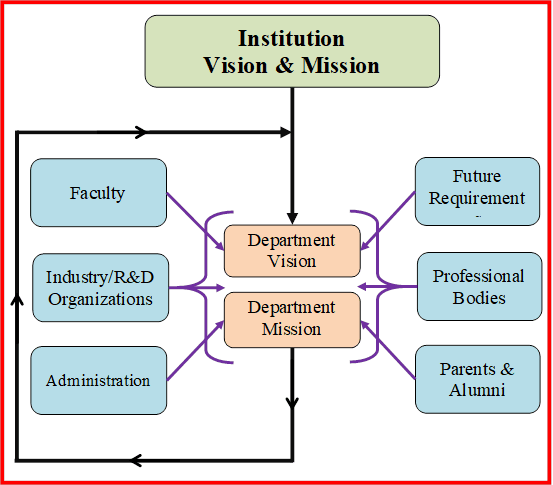
The university publishes the academic calendar for both the semesters prior to the commencement of the class work for an academic year. The academic calendar provides date of commencement of academic session, duration of the semester, period of internal assessment tests and final semester exams. All the Units of the University follows the Academic Calendar strictly. The College Academic Committee (CAC) comprising of all the heads of departments and professors as its members headed by the Principal. The CAC discusses the scheme and syllabi. The heads of the departments allocate subjects to faculty by considering the qualification and specialization. The faculty prepare the teaching plan and document it in detail based on topic intensity and time constraint for the semester. The preparation of such a plan helps with effective distribution of syllabus, clarity of curriculum and timely completion of the course.
The university implements student centric “Choice Based Credit System (CBCS)”.The University realizes the curricular aspects by defining Programme Outcomes, Programme Specific Outcomes and Course Outcomes that bring out the desired competencies expected.
Curriculum review and development is done regularly to keep in pace with developments in respective fields to meet the requirement of academia, industry/ profession and society.
In the revised curriculum, a pool of interdisciplinary and job-oriented mandatory skill courses which are relevant to the industry are integrated into the curriculum of concerned branch of engineering (total five skill courses: two basic level skill courses, one on soft skills and other two on advanced level skill courses). Open electives and profession electives will be offered by each programme. All the students are encouraged to take a Discipline Centric Elective Course through Massive Open Online Course (MOOC) as Program Elective course offered by SWAYAM/NPTEL All the students shall be registering mandatorily for NCC, NSS activities and Community Service Project as per the Government and University norms which are experiential learning strategies that integrates meaningful community service with instruction, participation, learning and community development. The University will revise the curriculum for every three years. B. Tech. with Honors or a B. Tech. with a Minor will be awarded if the student earns 20 additional credits are acquired as per the regulations/guidelines.
To suit to the local needs, the university is offering undergraduate courses (B. Tech) in petrochemical and petroleum engineering. To suit to the national needs, the university has introduced the programme of B. Tech in Food Engineering in the year 2020 and also M.Tech in Food Processing Technology since 2010-11 which are being run by the School of Food Technology.
The institution collects feedback from the students during the semester regarding the performance of teachers
Curriculum Enrichment is attained by designing core courses to improve employability through skill- oriented courses, communication skills and IT and logical reasoning skills. skill-oriented courses will be offered and students must register and pass the courses successfully. An exclusive Directorate named Empowerment of Women & Grievances in the university to promote gender sensitivity in the University and conduct diverse programmes to educate, sensitize female members, and produce harmonious atmosphere on the campus. The university offers value based education through Courses like Ethics, Universal Human Values, Environmental Sciences, Indian Constitution, Essence of Indian Traditional Knowledge etc., by including them in curriculum as mandatory courses
The University conducts workshops regularly on IPR and Research Methodology. While conducting Board of Studies meeting, Feedback from students, faculty, alumni and experts from industry and Higher Learning institutes is taken in to consideration which will improve the quality of curriculum.
Since the inception of the JNTUK, the University has been in the forefront for the Curricula development and implementation as per the local, national, regional and global demand, aspirations of the stake holders and societal needs which are reviewed periodically for their continued suitability and effectiveness. The University is moving forward with mission of promoting excellence, access, inclusion and relevance in quality education in Science, Technology, Engineering and Management, namely
JNTUK has designed the Revised Regulation Curriculum2020 (R20) In tune with the National Education Policy (NEP-2020) to equip the students of constituent and affiliated engineering colleges of University with the required skills and make them industry ready. The students are also given the option of choosing between skill courses 3 offered by the respective college and a certificate course offered by industry, a professional body, APSSDC or any other accredited body. Another major change brought in the curriculum is the introduction of B.Tech. with Honours or a B. Tech with a Minor. Open Elective subjects are being offered to students of all branches.
To suit to the local needs, the university is offering B.Tech in petrochemical and petroleum engineering and M. Tech in Petroleum Engineering and Pipeline Engineering.
To suit to the national needs, the university has introduced the programme of B. Tech in Food Engineering in the year 2020 and also M. Tech in Food Processing Technology since 2010-11 which are being run by the School of Food Technology.
The University has also established Nano Technology, Avionics and need based interdisciplinary programmes to suit to the global needs. The local industrial needs are taken into account from the feedback of various stakeholders of the University and industry relevant courses are included in the curriculum.
Flipped/Hybrid methods are adopted to enhance the practical learning of the students.
The students will be encouraged to enhance their experiential learning, participative learning and problem- solving methodologies by involving them in incubation and innovation centres of JNTUK. University provides an effective platform for students to develop latest skills, knowledge, attitude, values to shape their behavior in the correct manner. All departments conduct innovative programs which stimulate the creative ability of students and provide them a platform to nurture their problem-solving skills and ensure participative learning. The institute organizes annual technical fests in each department in which students showcase their learning in the form of innovative projects. Also, students are motivated to participate in inter college as well as national level competitions. The institute focuses on the student-centric methods of enhancing lifelong learning skills of students. Faculty members make efforts in making the learning activity more interactive by adopting the below-mentioned student-centric methods.
1. Experiential Learning:
Each department conducts add-on programs to support students in their experiential learning. The institution imparts the following experiential learning practices to enhance creativity and cognitive levels of the students Laboratory Sessions are conducted with content beyond syllabus experiments. For example, a UG Electrical and Electronics Engineering student is given opportunity to work with 420kV(peak) Impulse test kit. Summer Internship -Students get hands on training while working in the company. Add-on Courses on latest technologies with NPTEL, SWAYAM etc. The institute has made Engineering Exploration Project- Design Thinking as mandatory in the first year for all the UG Engineering students in R19 Curriculum with an objective to learn about the Human-Centered Design methodology and understand their real-world applications. Also, Industrial Training / Skill Development Programmes / Research Project in higher learning institutes as mandatory for all the UG Engineering Students in seventh semester. Project development on latest technologies by students where they showcase their working model in the technical fest. Industrial Visits to engage them in experiential learning while visiting the organization. Certification Courses (Value Added Courses) by the industries like Siemens centre of excellence to develop their expertise
2. Participatory Learning:
In this type of learning, students participate in various activities such as seminar, group discussion, wall papers, projects, and the skill based add on courses. Students are encouraged to participate in activities where they can use their specialized technical or management skills, such as Tech Fest – It is organized every year for engineering students where selected projects are displayed at the larger platform. Cultural program – This is organized every year for the students of the college to give a vent to their creativity.
Socially Relevant Project: The students are encouraged to explore socially relevant problems in and around, and expected take charge of their own learning, work together in teams towards the problem. The evaluation of socially relevant project involves submitting a survey report about the problem along with suitable working prototype for the solution.
Industrial Oriented Mini Project/Summer Internship: An Industrial Oriented Mini Project/Summer Internship, in collaboration with an industry of their specialization is mandatory for all the UG students after III year II semester examinations and pursue it during summer vacation.
3.Teachers – ICT enabled tools
Teachers use ICT enabled tools for effective teaching-learning process:
Today, it is essential for the students to learn and master the latest technologies in order to be corporate ready. As a consequence, teachers are combining technology with traditional mode of instruction to engage students in long term learning. University encourages Information and Communication Technology (ICT) in education to support, enhance, and optimize the delivery of education. The following tools are used by the Institute.
ICT Tools:
Use of ICT by Faculty
The faculty members used Google meet or Zoom to conduct tests and for lecture delivery. Also used many interactive methods for effective teaching such as PPT with animations, Video clippings, Use of online resources from NPTEL, Coursera, YouTube links, Simulation tools, Virtual labs, online assessment tools like mentimeter – Quizz.com, and various Cloud portals etc.
They are also equipped by digital library, online search engines and websites to prepare effective presentations. To teach problem solving subjects in an online mode, faculty have used various online tools like- whiteboard in Microsoft teams, Jam board in Google meet, etc. Also used Pentab for live solving problems.
Google classroom is used to manage and post course related information- learning material, quizzes, lab submissions and evaluations, assignments, etc. This has made the teaching-learning process more effective and available at any point of the time for all the students. All the departments conduct webinars, workshops and guest lectures on the new developments in the core subjects for effective teaching and learning by Industry experts and Alumni on Zoom platforms.
The University has a very good student support and progression system for around development of every student. The University supports students for applying scholarships and also certain free-ships provided for the needful students by the Government. The Average percentage of students benefitted by these scholarships and free-ships for the past five years is 53.56%. Guidance for Competitive Examinations and Career Counselling, soft skill development, Language labs are provided by the Institution. The Average percentage of students benefitted by these activities regarding guidance for competitive examinations and career counselling offered by the Institution during the last five years is about 69.19%.
An exclusive Directorate named Empowerment of Women & Grievances in the university is established to promote gender sensitivity in the University and conduct diverse programmes to educate, sensitize female members, and produce harmonious atmosphere on the campus. The university offers value based education through Courses like Ethics, Universal Human Values, Environmental Sciences, Indian Constitution, Essence of Indian Traditional Knowledge etc., by including them in curriculum as mandatory courses.
The University conducts workshops regularly on IPR and Research Methodology. While conducting Board of Studies meeting, Feedback from students, faculty, alumni and experts from industry and Higher Learning institutes is taken in to consideration which will improve the quality of curriculum.
The Alumni Association “ENGINEERING COLLEGE OLD STUDENTS’ ASSOCIATION (ECOSAK). Kakinada-3 (A.P.) was registered under Societies Act XXI of 1860 with Society No. 92 of 1970.The office headquarters of ECOSAK is in the premises of JNTUK Kakinada, A.P., India. The association has chapters in Hyderabad, Visakhapatnam, USA and many more places for the better connect of alumni with university. A separate webpage for alumni is created as http://ecosak.org.in. The mission of the Alumni Association is to foster a mutually beneficial relationship between the Institute and its alumni. Alumni meet is arranged on First Sunday of January every year. The alumni also lent a helping hand to the College for raising funds on the occasion of Golden Jubilee and Platinum Jubilee celebrations and constructed silver jubilee building, Golden jubilee (Swarnotsava Bhavan cost worth Rs.22 lakhs), Diamond jubilee Indoor stadium (worth Rs. 5.3 crores).
Alumni also proposed to construct a platinum jubilee alumni centre with an estimated cost of 4 crores and fund rising has already been completed.
1979-83 alumni batch has contributed an auditorium in the campus with a project cost of Rs. 2.5 crores
Catering to Student Diversity
Jawaharlal Nehru Technological University Kakinada organizes Induction programmes for freshers at the institution level. Also the University has made a three-week induction program as mandatory for all first year UG students and shall be conducted as per AICTE/UGC/APSCHE guidelines and incorporated in the academic regulations of 2020.
Access to engineering education in the Telugu states has dramatically increased in the past couple of decades. Government fees reimbursement schemes have also encouraged enrolment from those sections of society which hitherto has not entered engineering professions. This is a daunting challenge for both teachers and students to impart technical knowledge and skills to students who may not have had a very good grounding in STEM (Science-Technology-Engineering-Mathematics) disciplines and English Language.
In the induction programme, the student will get an opportunity to listen to the motivation lectures which highlight about personality development which is as much the need of the current set-up as the professional course demands. Also they will be given clear insight of various aspects of engineering education and the senior professors will dispel the myths around them with demonstration and participation from students. The students will be made to understand with etymology of masking, intelligence, knowledge and engineering. They will be shown how knowledge enhances itself by sharing it with others. For various aspects of engineering, the professors will offer a plan of study and practise and also emphasizes that drawing is the language of engineering and mathematics is the language of science, both first year subjects with notoriety for being difficult to pass. The senior professors with all their experience will explain the students how one can master these subjects.
Strategies adopted for the slow learners
Strategies adopted for the advanced learners
Advanced learners are identified based on the performance in the university examinations of previous semesters and internal examinations.
Special Support:
The university supports all those students who belong to SC, ST, minorities, Kapu, differently- abled, and BC communities through Post matric scholarship Under Jnanabhumi Scholarship provided by the Andhra Pradesh State Government.
Special encouragement is given for sports, cultural activities organized by NSS to inculcate leadership qualities and also to boost self-confidence and team spirit.
Every year the institute Conducts Campus Recruitment & Training (CRT) Classes, Company Specific Training (CST) Classes, Technical Programming Classes for all UG and PG Students for a Period of 10-12 Days.
Student Participation and Activities
The students have active representation on academic and administrative committees of the University. 77%
of the committees have active student participation and involvement in various activities conducted by the committees. The University encourages students and provides opportunity to develop leadership qualities by organizing and carrying out various activities in the college under different committees.
Student Council:
The Student Council at JNTUK is a body of student representatives who act as a bridge between students and the administrative authorities. Students have active representation on academic and administrative bodies and committees of the different departments. Students representing UG and PG courses in the college are selected based on their leadership qualities as well as academic grades. The student council officially represent all the students of the institute. It acts as a medium between the faculty and students. They work with a sense of responsibility in dealing with the student concerned activities. The Institute also encourages participation of student representatives in various decisions making, academic and administrative committees, which enable them in acquiring better academic environment. Student opinions and suggestions are considered to take measures with students’ perception. The institute puts efforts for the all-round development of a student. The student members are involved in various institute and department level committees with active participation and represent the students of their class with respect to conduction of activities and events or sharing any other information related to students.
The composition of a Student Council includes: President, Vice-President, Secretary, Treasurer, Technical coordinator.
Technical associations:
There is a IETE technical association at institution level. The committee of the association is headed by one or more faculty coordinators and one or two students will be elected members from each class that constitutes the committee. Under the technical associations, various technical events and co-curricular activities such as paper presentations, technical quizzes, seminars, training programmes, hackathons will be conducted every year. The student coordinators actively take part in organizing various events under these technical associations. They also motivate other students to take part in the activities conducted by the Institute.
Extra-curricular activities and Sports:
Students have strong representation not only in academics but also in all cultural, literary and sports committees and help in organization and management of events. Various events and programmes will be conducted every year and student coordinators play an active role in organizing the events during cultural and sports fests.
Hostel Committee:
There are student coordinators for each floor of every hostel building. Each mess in the hostel is managed by Mess Secretaries who are elected by the hostellers through an election process. They monitor day to day activities like food quality, hygiene and other general facilities and bring to the notice of the Chief warden/Officer In-charge of Hostels and warden immediately if there are any issues.
In addition to the above, the student coordinators are actively involved in the activities of various committees like anti-ragging, grievance redressal, website etc. and play a very important role in most of the academic and administrative committees.
The Central Library, established in 26thOctober 2015, is a proud partner in the institute’s march towards its vision and playing a vital role in acquisition, organization, and dissemination of knowledge. Library has a large collection of books catering to various branches of Engineering, Technology, Science and Humanities and its related fields. The library with its CCTV Security systems is well provided with good monitoring and surveillance.
The central Library recently named as Dr. B.R. Ambedkhar central library are using campus management like Bees campus soft from 2010 onwards to integrate the central library management system and enabling ILMS for central library, JNTUK. Bees Campus soft is useful in digitalizing the campus activities. The software helps in synergizing the design, implementation and running process automation of the library in a simple and accurate way. Bee soft accelerates the day – to – day activities of the library and faster integration and stabilization of issuing and books receivables, masters and records. Latest technologies were adopted to attain cost effectiveness. OPAC (Online Public Access Catalogue) was used effectively to monitor the issues and receivables of library books and also stock verification. The OPAC is also helpful for Research scholars to verify the previous thesis and to have a easy access to these thesis. The OPAC also helps students who are preparing for various competitive Exams, UGC – NET and GATE exams by making the digital resources search faster & easier for the students by offering a digital library catalogue. Students can identify the number of copies left in the library, its location, and such crucial information and then visit the library to get the books. For e-books, they can directly get information & access it at any point in time.
The ILMS used by Dr. B.R. Ambedkhar central library is simple and extremely simple software which is easy to use. The library is in a separate building of total area 40031Sq.feet with a lending section, reading halls with Reference collection, Group discussion room, Magazine reading/ Periodicals section, and Digital Library enabling the students to learn via e- sources and OPAC facility for ready reference. The researchers and students can probe into their research areas with ease, enhancing the productivity and management of books for the library
The e-sources like DELNET and e – Journals are available for the needs of the students and faculty through online access for Knimbus e-Library which has been setup on the central library platform. This platform also enables the usersto make “Your Library, Your Way” using https://jntuka.knimbus.com website and Android Mobile app is also available.
JNTUK has adequate facilities for Availability of general campus facilities and overall ambiance. General Facilities available in JNTUK are State Bank of India, SBI ATM, Park, Canteen, Dispensary, Post office, Yoga Room, Play Ground, Auditorium. Facility like State Bank of India help the students in payment of college fee, Exam Fee, Scholarship money etc., SBI ATM is available in college for easy access & withdrawal of money. Facility like Park are for refreshment purpose that helps to improve and promote physically activities for individual, and community health. Facilities like Canteen available for the serving nutritious and hygienic food to the students and staff. A well Equipped separate medical dispensary facility is available for students and staff. The College provides healthcare facilities to the students whenever required. FIRST AID KITs are available in the hostels and in the respective departments for free of cost. All Sick Rooms are well ventilated and adequately furnished such that the students who happen to fall sick or those that require taking the little span of rest for certain specific reasons can do so. In cases of medical requirements, members of faculty in the vicinity attend to the students for arranging medical facility. A Branch Post office is functioning inside the campus, for the benefit of staff and students. It has the capacity to cater to the large number of inward and outward mails on a daily basis. You can avail postal services like Money Orders, Postal Orders, Postage, etc here. Yoga promotes physical strength because Students learn to use all of their muscles in new ways. Whether a pose is done standing, sitting, or lying down, each one can challenge various muscle in the body that helps an individual become aware of his body and how it efficiently functions. There is an auditorium with an area of about 500 sq.meters. attached with an open air theatre for organizing the functions for a gathering of 500. A 60-seated bus is available and used for educational tours and technical visits.
JNTUK with its compulsory Core Courses and the continuous evaluation scheme that integrates sports and extra-curricular activities as essential components. This is done not only to encourage student participation but also for the assessment of students. The concept healthy mind in a healthy body inspires the university to develop adequate facilities for sports, games and cultural activities. The total area of sports and games fields is 30 acres.
Major cultural events are organized at the majestic Auditorium Hall and also at Senate Hall. The workshops and seminars are conducted in the senate halls and seminar halls of the respective departments. All the girls and boy’s hostels also have recreation rooms which facilitates students to watch television and to play indoor games and spend some quality time with the roommates and other students.
JNTUK has a separate directorate for games and sports emphasizing its focus and promotion of sports and games. JNTUK is also promotes sports through its Constituent /Affiliated Colleges, Institutes, and Schools. The students are participating in various events and games inside and outside the college and are bringing laurels to our university.
JNTUK has adequate facilities for cultural activities an alumni auditorium in 500 sq. Meters with a seating capacity of 500 + with dual projectors, and audio – visual system. JNTUK also has an open-air auditorium with facilities of audio systems to cater to the needs of huge gatherings during university cultural festivals or inter college meets. All the departments in the JNTUK have individual seminar halls are used for cultural activities with the consent of the head of the department.
The yoga centre is there with the campus in the building that holds SBI bank and the faculty and students who are interested in the yoga will attend the yoga classes held in the morning and evening not disturbing the academics.
The total area of sports and games fields is 30 acres. JNTUK has a large playground with provisions for multiple sports such as Athletics – 10 Lane 400 Meters standard Gravel Track with permanent throwing sectors and Long jump / Triple jump pits, Cricket- Cricket Nets and Cricket ground and football ground and nets, Hockey, Volleyball, Basketball, Throw Ball, Kho-Kho and Kabaddi Court. Another field provides Lawn Tennis courts; Outdoor badminton courts and a gymnasium are available.
To provide all these sports facilities the university have a multi – purpose Modern indoor stadium which holds table tennis facilities, indoor badminton courts, tennikoit, Caroms and Chess facilities. Dormitory facility is there for accommodating the sports persons who attend various games and sports activities.
The modern gymnasium is there for all the three categories of exercises namely cardio exercises, strength exercises and free hand exercises. Sports equipment as well as fitness related equipment are available to the students. Gym facilities are available for students and faculty. Carom board, Badminton, Volleyball, Handball, Tennis ball, Basketball, Football or any other sports equipment issued to the students by depositing their student ID whenever they got free time in their schedule. Teachers can also issue these sports equipment by signing the Department Issue Register. Yoga, Aerobics and Taekwondo related facilities provided to NSO students. Department of Physical Education maintains the record of NSO classes and their attendance.
The University has provided adequate physical and updated academic facilities as per the requirement of the university and the need of the students. The specific location of the college provides pollution free and natural environment. The total built up area is 728945.35 sq.mts. There are various Departments having spacious class-rooms with proper infrastructure in the college.
JNTUK is the first technological university in the entire east Godavari district with excellent academic facilities to impart effective learning among the students set in pollution free and natural environment with a build-up area of 728945 sq. metres. . JNTUK has B.Tech, M.Tech in the streams of CSE, ECE, EEE, Mechanical, Chemical and Petrochemical Engineering along with directorates in School of Management Studies, Pharmacy, Food Technology, Bio – Tech, Nano technology, and Avionics. JNTUK has 71 spacious classrooms of which 57 have LCD projectors and screens and are ICT Class rooms where the remaining 14 are classrooms with black boards and for interactive sessions. These classrooms are generally used for subjects which are quantitative and student interactive. The university holds physics and chemistry labs for experiments along with the soft skills labs for the first year students. The JNTUK being technological university has state of the art technology labs with high configuration systems and qualified teaching faculty. There are six hundred and one computer system exclusively for students of different departments enabling them to be techno – savvy and to match with the industry requirements. The students of JNTUK take up various courses to match with their course structure and their career requirement. The computers are provided with the needed software as per the student requirements.
The students of JNTUK take up various courses to match with their course structure and their career requirement. The computers are installed with the needed software as per the student requirements and the laboratories keep on changing their courses with the changing needs of the industry.
The classrooms have proper ventilation and maintained in a harmonious environment enabling effective learning for the students. The faculty haver access to the e- resources to keep up with the changing trends and design appropriate teaching pedagogies that match the student requirements. The faculty are available in the staff room to clarify any doubts. The students are encouraged to prepare for competitive exams through peer group learning and guided by staff on demand. The IT laboratories are also instrumental in providing online learning and taking online tests for companies like TCS and Wipro.